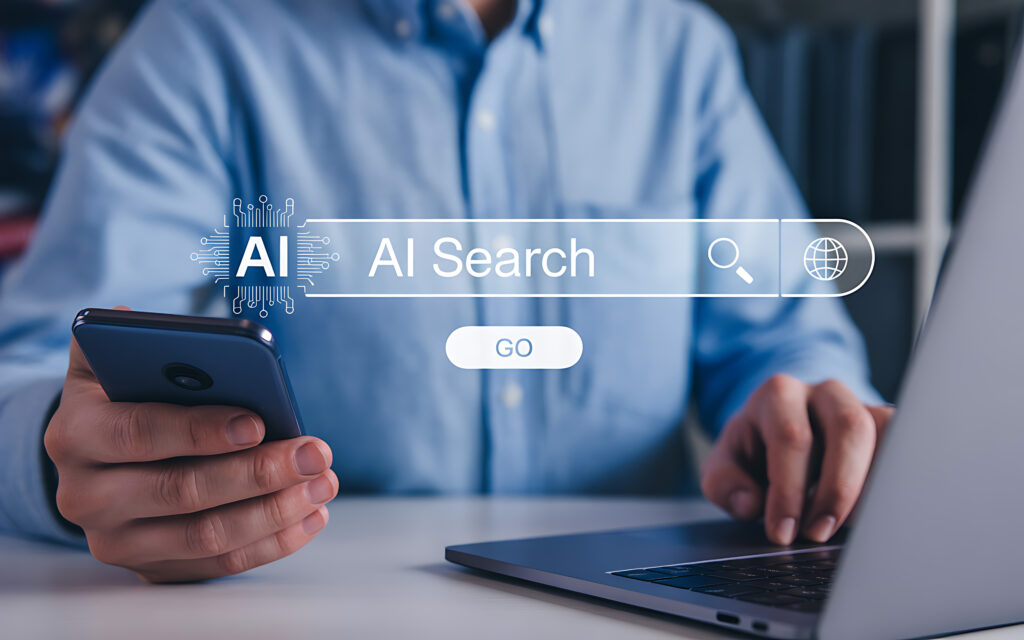
How to Build AI-Friendly Content That Survives Google Updates
In the rapidly evolving landscape of digital marketing, staying ahead of Google’s algorithm updates is a constant challenge. With the advent of artificial intelligence and generative search experiences, the rules of the game are shifting once more. For digital marketers, SEO professionals, content creators, and business owners, the question isn’t just how to rank now, but how to build content that remains relevant and visible in an AI-powered future. Build AI-friendly content by creating helpful, user-first, well-structured information that demonstrates expertise and stays relevant to Google’s evolving search algorithms. This guide will equip you with the strategies needed to create content that not only performs exceptionally well in today’s search but is also future-proofed against upcoming AI advancements and algorithm changes.
Understanding the Evolving Search Landscape
Google’s mission has always been to organize the world’s information and make it universally accessible and useful. AI is now central to this mission. Generative AI models are transforming how users interact with search, offering direct answers, summaries, and conversational experiences. This means content needs to be not just discoverable, but also easily understood and synthesized by AI systems to be surfaced in these new search paradigms. The emphasis is moving beyond simple keyword matching to deep understanding of intent, context, and semantic relationships.
The Pillars of AI-Friendly & Future-Proof Content
To navigate this new era, your content strategy must embrace several core principles:
EEAT: Your Foundation for Authority and Trust
Google’s emphasis on EEAT (Experience, Expertise, Authoritativeness, and Trustworthiness) is more critical than ever. AI models are trained on vast datasets and are becoming increasingly adept at discerning credible and high-quality information. Content that demonstrates strong EEAT signals is inherently more valuable to both human users and AI systems.
- Demonstrating EEAT:
- Expertise & Experience: Showcase the real-world experience and qualifications of your authors. Include detailed author bios with relevant credentials.
- Authoritativeness: Cite reputable sources, link to authoritative studies, and position your content as a definitive resource on a topic.
- Trustworthiness: Ensure accuracy, transparency, and provide evidence for claims. A strong privacy policy, contact information, and secure website also contribute to trust.
User-First Writing: Empathy in Every Word
Regardless of AI advancements, the ultimate goal of search is to serve the user. User-first writing means creating content that genuinely addresses user needs, questions, and pain points. AI is designed to understand and fulfill user intent, so content that does this effectively will naturally align with AI’s objectives.
- Key Aspects:
- Intent Alignment: Directly answer the questions your target audience is asking.
- Clarity & Conciseness: Avoid jargon, write in a clear and accessible style. AI thrives on easily digestible information.
- Value Provision: Focus on providing actionable advice, unique insights, and comprehensive solutions.
- Readability: Use short paragraphs, bullet points, and clear headings to improve scanning and comprehension for both humans and AI.
Semantic SEO: Beyond Keywords
While keywords still matter, modern SEO, especially for AI, goes much deeper. Semantic SEO focuses on the meaning behind words and phrases, understanding entities, and the relationships between them. AI understands concepts, not just isolated terms.
- Implementing Semantic SEO:
- Topic Clusters: Instead of targeting individual keywords, develop comprehensive topic clusters that cover a broad subject area in depth.
- Related Terms & Synonyms: Naturally integrate synonyms, related concepts, and latent semantic indexing (LSI) keywords to enrich your content’s topical breadth.
- Entity Optimization: Ensure your content clearly defines and relates key entities (people, places, things, concepts) within your niche.
Topical Authority: Becoming the Go-To Resource
Building topical authority involves consistently creating high-quality, in-depth content around a specific subject area. When Google (and AI) sees your website as a definitive source for a particular topic, it’s more likely to rank your content highly and feature it in AI-generated summaries.
- Achieving Topical Authority:
- Comprehensive Coverage: Cover all facets of a topic, from beginner guides to advanced analyses.
- Internal Linking: Create a robust internal linking structure that connects your related content, guiding users and search engines through your expertise.
- Consistent Publishing: Regularly update and publish new, valuable content within your chosen topics.
Structured Content: Speaking AI’s Language
How you structure your content significantly impacts its AI-friendliness. AI systems rely on clear structural cues to understand the hierarchy and relationships within your text, enabling them to extract information efficiently and accurately.
- Structural Best Practices:
- Heading Hierarchy (H1, H2, H3, etc.): Use headings logically to break down your content into digestible sections. Your H1 should be your main topic, H2s for major subtopics, and H3s for points within H2s.
- Lists and Tables: Utilize bulleted and numbered lists, along with tables, to present information in an organized, scannable format. These are easily processed by AI for summarization.
- Schema Markup: Implement relevant Schema.org markup (e.g., FAQ schema, How-To schema) to explicitly tell search engines what your content is about and provide structured data for rich results and generative AI features.
Actionable Strategies for Your Content Team
Translating these principles into practice requires a systematic approach:
- Content Auditing: Regularly audit your existing content for EEAT, user-first principles, semantic richness, and structural integrity. Update or consolidate content that falls short.
- AI-Assisted Research: Leverage AI tools for in-depth topic research, identifying related questions, and understanding semantic relationships. However, always ensure human oversight and expertise in content creation.
- Continuous Monitoring & Adaptation: The digital landscape is ever-changing. Stay informed about Google updates, AI advancements, and adjust your content strategy accordingly.
Partner for AI-Powered SEO Success
Navigating the complexities of AI-driven search and continuous Google updates requires specialized expertise. As a leading agency in SEO and content strategy, we help businesses like yours build robust, future-proof content ecosystems that thrive in the new digital era. We specialize in developing AI-friendly SEO strategies, optimizing content for Generative Engine Optimization (GEO) and Answer Engine Optimization (AEO), and ensuring your brand maintains strong organic visibility.
Don’t let algorithm changes or AI advancements leave your content behind. Inquire about our SEO or content marketing services today to empower your content for lasting success and connect with your audience more effectively. Connect us today
Call/ whatsapp : +91 7356018708